The American historic resort is a unique intersection of structural engineering, cultural preservation, and hospitality innovation. Unlike contemporary developments that prioritize standardized efficiency and rapid throughput, these properties operate as living archives, requiring a nuanced approach to management that balances modern guest expectations with the immutable requirements of historic conservation. The value proposition of such a property is rarely found in its proximity to the latest trends, but rather in the stability of its narrative, the authenticity of its craftsmanship, and the resilience of its physical and institutional legacy.
True mastery in the historic hospitality sector involves moving past the “museum” or “theme-park” interpretation of the past. It requires a sophisticated integration of adaptive reuse, defensive capital investment, and active stewardship. When we analyze the industry, it becomes clear that the properties capable of enduring across centuries are those that have successfully navigated the friction between the need for modern infrastructure—such as high-speed connectivity and energy-efficient climate control—and the strict preservation mandates that define their cultural significance.
This article provides an analytical framework for auditing and evaluating these assets. By deconstructing the operational realities, mechanical necessities, and management philosophies that sustain the nation’s most venerable properties, we aim to establish a benchmark for quality. The objective is to move beyond superficial tourist narratives and examine the invisible infrastructure that allows these grand resorts to remain both relevant in the current market and steadfast in their historic duty.
Understanding “top historic resort hotels in america”
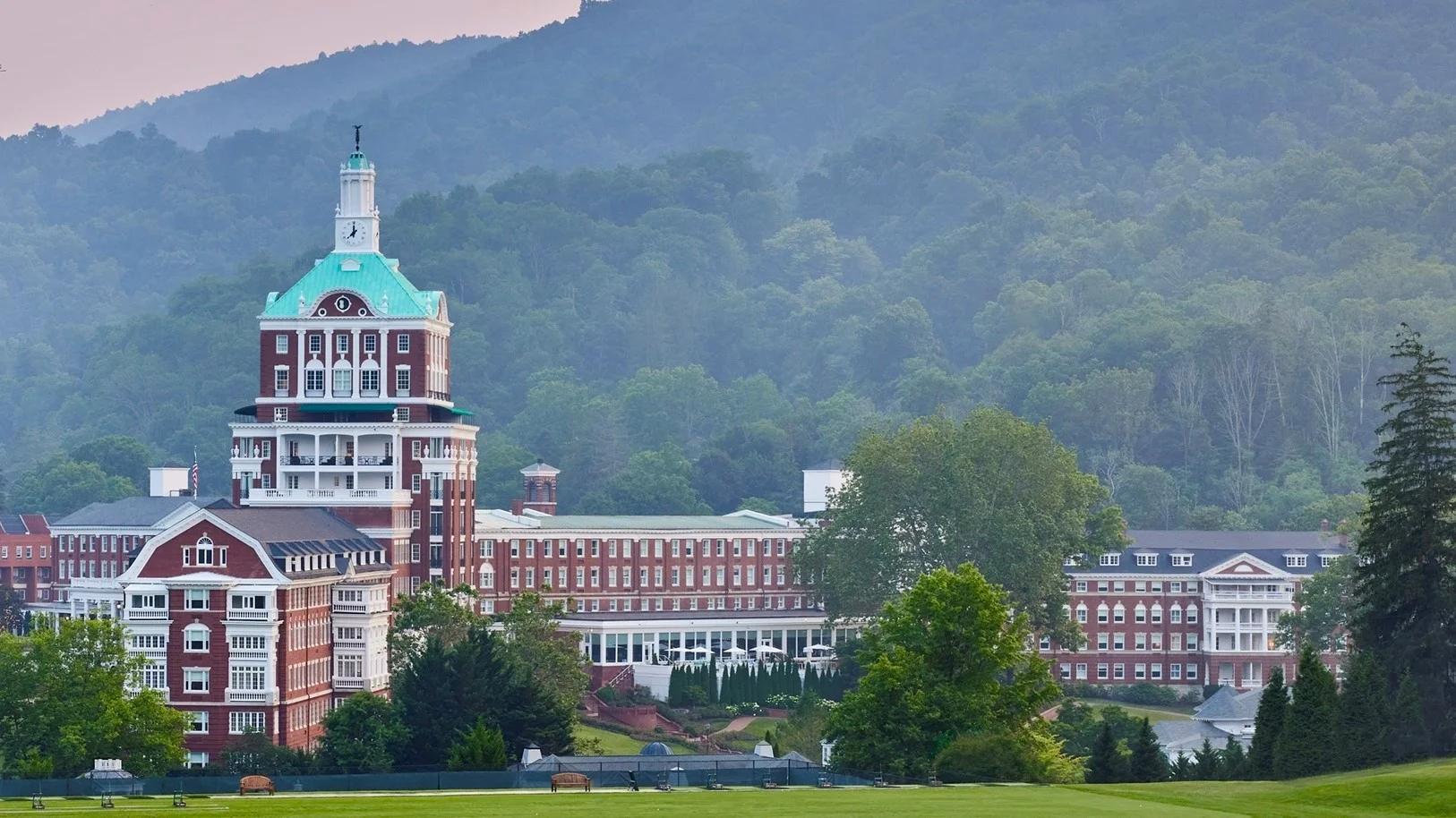
When we seek to define the top historic resort hotels in america, we must first clarify the nomenclature. These are not merely “old hotels.” Membership in formal programs, such as the National Trust for Historic Preservation’s Historic Hotels of America, requires strict adherence to age (minimum 50 years), significance, and architectural integrity. However, beyond these administrative benchmarks, the “top” tier is defined by a property’s ability to function as a living entity. The primary misunderstanding for many observers is the belief that history is a passive quality; in reality, history in hospitality is an active, performance-driven asset that requires continuous, resource-heavy maintenance.
The risk of oversimplification lies in viewing these properties through the lens of aesthetic nostalgia. If we ignore the mechanical reality—the hidden electrical grids, the sensitive masonry, and the complex fire-suppression systems required to bring a 19th-century structure into the 21st century—we fail to understand what makes these establishments truly exceptional. The best properties in this category are those that perform a “silent integration”: their modern utility is invisible, allowing the visitor to interact with a preserved, authentic environment that appears to have defied time itself. When evaluating the top historic resort hotels in america, one must look for the evidence of “defensive capital,” where ownership has prioritized long-term structural integrity over short-term revenue spikes.
Deep Contextual Background: The Evolution of Grand American Resorts
The emergence of the grand American resort was tethered to the growth of the Gilded Age and the subsequent expansion of the national rail network. Initially serving as summer sanctuaries for the industrial elite, these “summer palaces” were architectural statements of wealth and leisure, often built in remote, picturesque landscapes. They were designed as self-contained machines: self-powering, self-feeding, and socially curated. Over time, the economic model shifted from serving a niche social class to catering to mass heritage tourism, forcing these properties to pivot from private sanctuaries to public-facing cultural assets. This evolution has required a constant renegotiation of their purpose, transforming them from symbols of exclusionary luxury into symbols of national architectural heritage.
Conceptual Frameworks and Mental Models
-
The Narrative-Integration Model: Evaluates a property by how seamlessly it weaves its specific historical timeline into its current service culture and guest experience.
-
The Defensive-Capital Framework: A method for auditing whether a hotel’s capital expenditures are reactive (fixing breakage) or proactive (preventative, long-term preservation).
-
The Adaptive-Reuse Threshold: A mental model for determining if a property has successfully transitioned its original purpose (e.g., a convent, a station) into a modern hotel without losing its structural identity.
Key Categories of Historic Hospitality
| Category | Typical Origin | Structural Challenge | Primary Stewardship Focus |
| Gilded Age Grand | Late 1800s/Early 1900s | Mass-scale envelope/verandas | Exterior preservation |
| Adaptive Reuse | Industrial/Institutional | Repurposing rigid interiors | Spatial flow integration |
| Railroad-Era Inn | Transit hubs | Footprint constraints | Site-history storytelling |
| Modernist Heritage | Mid-20th Century | Material degradation/Systems | Technical preservation |
The top historic resort hotels in america generally fall into the Gilded Age Grand or Adaptive Reuse categories. The decision-making logic for identifying the best among them involves measuring the “authenticity-to-utility ratio,” where a property is highly regarded if it manages to deliver high-performance modern amenities while maintaining zero visible degradation of its original architectural intent.
Detailed Real-World Scenarios
-
Scenario: The Infrastructure Retrofit. A resort built in 1910 requires comprehensive smart-building integration. The failure mode is the disruption of original interior plasterwork. The second-order effect is a loss of architectural integrity, leading to a downgrade in historical preservation status.
-
Scenario: The Demographic Shift. The primary guest base shifts from heritage-seeking seniors to experience-focused younger cohorts. The property must adapt its food/beverage and amenity programs without turning the resort into a generic, modern hospitality product.
-
Scenario: The Hurricane-Resilience Audit. A coastal resort must harden its foundation without obscuring the historic façade. The conflict is between local building codes and historic board mandates.
Planning, Cost, and Resource Dynamics
| Cost Element | Investment Type | Predictability |
| Structural Restoration | High CapEx | Low (Hidden site conditions) |
| Staff Heritage Training | OpEx | High |
| Code-Compliance Retrofitting | Extreme CapEx | Moderate |
For the top historic resort hotels in america, financial planning is a multi-generational endeavor. Successful properties operate with 20-year capital plans that explicitly separate “aesthetic refresh” costs from “preservation-critical” structural costs.
The Risk Landscape and Failure Modes
The taxonomy of failure in historic resorts includes “Cultural Erosion”—where the staff stops understanding the narrative significance of the building—and “Systems Obsolescence,” where hidden infrastructure reaches a point of total failure. A compounding risk is the “Regulatory Trap,” where stricter building codes for modern safety force an irreversible alteration to historic elements, essentially stripping the property of its “historic” status if not managed with sophisticated preservation architecture.
Governance and Long-Term Adaptation
-
Continuous Preservation Monitoring: Quarterly audits of critical historic features, such as masonry, roofing, and original woodwork.
-
Historian-on-Staff: The presence of an expert who acts as both curator and internal fact-checker, ensuring that all marketing materials and guest communications remain accurate to the property’s heritage.
-
Adaptive Review Cycles: Biennial updates to the property’s management strategy to ensure compliance with the latest preservation standards.
Measurement, Tracking, and Evaluation
-
Leading Indicators: Investment in preventative, non-visible maintenance (e.g., plumbing/wiring updates); staff retention levels in heritage-specialized roles.
-
Lagging Indicators: ADR (Average Daily Rate) performance relative to newer, non-historic properties; guest survey signals regarding “authenticity.”
-
Documentation: An exhaustive “Provenance and Preservation Log” that catalogs every structural change since the building’s inception.
Common Misconceptions and Oversimplifications
-
“All historic hotels are the same.” There is a vast difference between a property that is “old” and one that is authentically preserved and historically designated.
-
“History is just for show.” Heritage is a performance-driven market advantage that commands premium pricing if managed correctly.
-
“Modernizing is always bad.” The best hotels hide modern technology behind historic facades; the inability to modernize leads to failure.
-
“Historic hotels are fragile.” Many of these properties survived disasters and economic depressions; they are often built more robustly than modern high-rises.
-
“Guest service should be ‘period-accurate’.” Service should be professional and modern; the ambiance should be period-accurate.
-
“Grants pay for everything.” Preservation relies mostly on defensive capital and owner commitment; grants are a secondary, inconsistent layer.
Conclusion
The pursuit of the top historic resort hotels in america is essentially an exercise in identifying endurance. These properties represent a synthesis of architectural vision and institutional memory that is rare in the current hospitality landscape. For the discerning guest or the professional operator, the value of these resorts lies in their resilience—their ability to serve as physical anchors in an increasingly transient world. Identifying the best among them requires a departure from superficial rankings and a commitment to understanding the invisible, long-term investments that keep them standing, functional, and meaningful. By preserving the past through rigorous and sophisticated management, these resorts ensure their continued relevance for future generations.