The American island resort landscape is not a monolith of tropical, palm-fringed enclaves. It is, instead, a geographically and culturally diverse ecosystem that encompasses everything from the rugged, car-free heritage of the Great Lakes to the sophisticated, private-island sanctuaries of the Florida Keys and the coastal Atlantic. To categorize these disparate environments under a single banner is to overlook the fundamental differences in their operational models, environmental constraints, and intended guest experiences. A true assessment of these destinations requires moving beyond the standard hospitality marketing lexicon to understand the logistical and structural realities that define them.
The allure of an island retreat in the United States often stems from the promise of geographic separation—a perceived, and sometimes literal, disconnection from the mainland’s relentless pace. However, this same isolation imposes significant operational burdens on the properties themselves. From the management of critical infrastructure like desalination and waste treatment to the complex supply chain requirements for maintaining high-end culinary programs in remote locations, the successful operation of these resorts is an engineering achievement as much as it is a service-driven one.
Understanding “top island resort experiences in america”
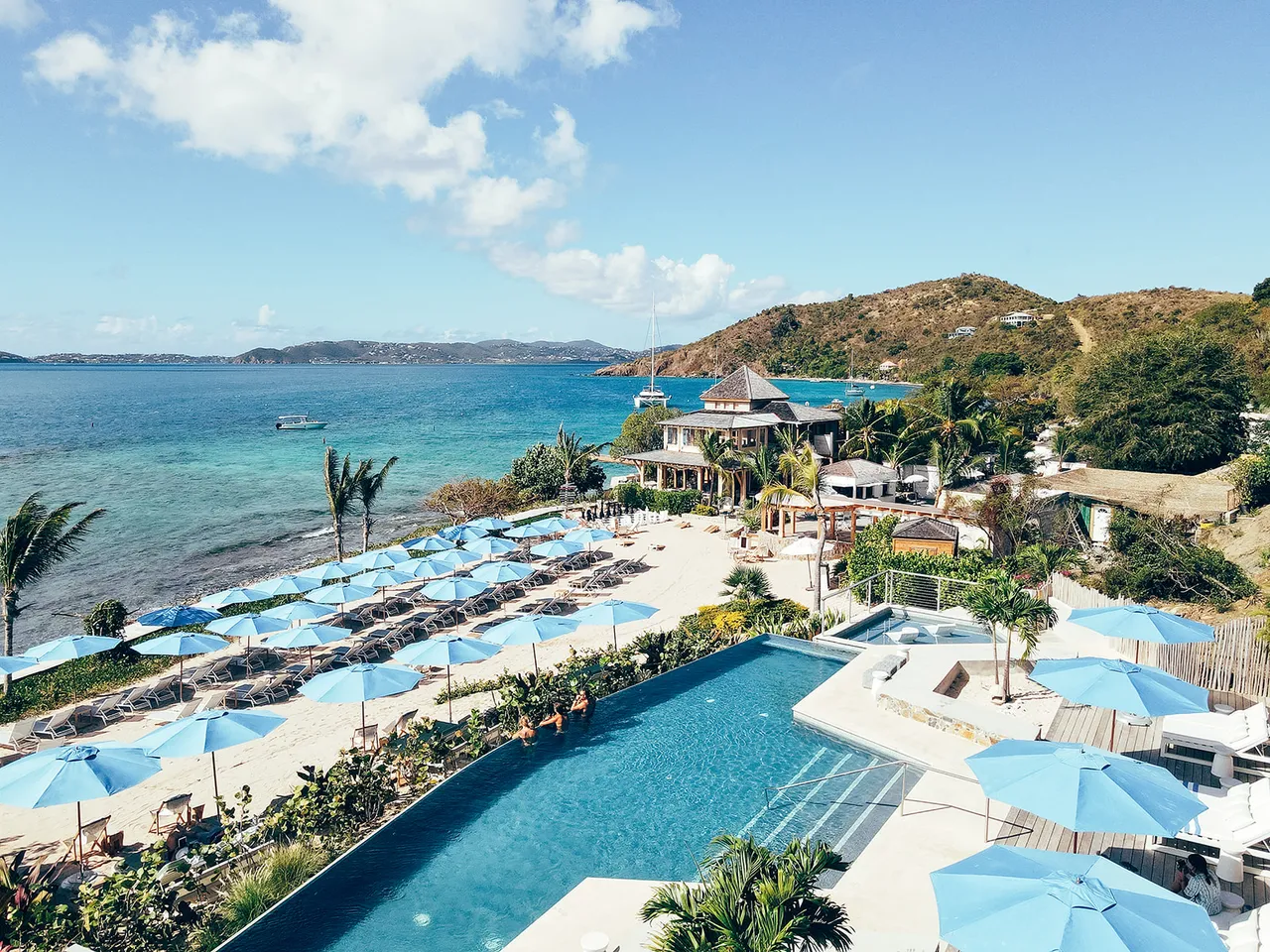
Identifying the top island resort experiences in america requires a disciplined rejection of superficial “listicle” criteria. Many properties are lauded for their aesthetic appeal—the visual “wow” factor of a coastline or a room design—while ignoring the intangible elements that actually determine the quality of a stay: service density, operational reliability, and environmental integration. A common misunderstanding is the conflation of “luxury” with “exclusivity,” as if the mere cost of entry validates the experience.
Oversimplification in this sector is rampant. It often manifests as a binary focus on either “seclusion” or “amenity depth.” The most refined resorts successfully navigate the tension between these two poles, offering deep engagement with the local natural environment while providing a sophisticated, friction-free service layer.
Deep Contextual Background: The Evolution of U.S. Island Hospitality
The history of U.S. island tourism is tied to the evolution of transportation and the development of regional infrastructure. Properties in the Florida Keys or the coastal Carolinas were often originally developed as exclusive preserves for the era’s elite, relying on private boat or rail access. As these regions modernized, the pressure to scale and commercialize these retreats grew, leading to the “resort-ification” of many previously pristine coastal environments.
This evolution has created a divide between heritage properties—which often emphasize cultural legacy and architecture—and modern developments, which prioritize efficiency and standardized luxury. Today, the most resilient island resorts are those that have adapted to the climate and regulatory challenges of their specific geography. Whether it is the hurricane-resistant design standards of the Atlantic or the seasonal, preservation-focused management of Great Lakes destinations, these properties represent an adaptation to the unique environmental conditions of their respective coastlines.
Conceptual Frameworks and Mental Models
To evaluate potential destinations with professional rigor, utilize the following analytical frameworks:
-
The Logistic Complexity Quotient: Measure how dependent the resort is on external supply chains. High dependence often equals higher risk of service lapses during peak season or adverse weather events.
-
The Environmental Resilience Index: Does the property prioritize sustainable design and coastal preservation, or does it rely on temporary engineering fixes to maintain its appearance?
-
The Service-to-Acreage Ratio: On an island, space is the ultimate luxury. Resorts that maintain a low ratio of guest units to total land area offer a fundamentally different—and typically more sustainable—experience than high-density properties.
Categorization and Operational Trade-offs
| Category | Primary Focus | Trade-off |
| Private Island Enclaves | Maximum privacy, bespoke service | Limited scalability, extreme costs |
| Heritage/Historic Resorts | Cultural immersion, timeless design | Older infrastructure, modernization challenges |
| Eco-Immersive Destinations | Nature integration, conservation | Minimalist amenities, rugged access |
| Regional Coastal Resorts | Broad activity lists, accessibility | Higher guest density, less “island” feel |
Detailed Real-World Scenarios
-
The Seasonal Supply Chain Failure: A remote resort experiences a disruption in fresh food deliveries due to a minor ferry scheduling issue. Resorts with robust, multi-vendor sourcing and on-site storage capacity avoid this; those relying on daily “just-in-time” deliveries fail.
-
The Regulatory Constraint Conflict: A resort attempts to expand its footprint to meet demand, but runs into strict coastal environmental regulations. High-quality operators manage these constraints through long-term planning, whereas lower-tier operators often face public backlash and operational stagnation.
-
The “Mass-Market” Dilution: An island resort increases its room count beyond the capacity of its existing wastewater or energy systems, leading to a visible decline in environmental quality. This is a common indicator of a property prioritizing short-term revenue over long-term asset health.
Planning, Cost, and Resource Dynamics
The economic profile of these stays is often distorted by the high hidden costs of island operation—transportation, utility management, and labor logistics.
-
Direct Costs: Room rates often include a “logistics premium.”
-
Indirect Costs: Travel time, limited medical/emergency access, and restricted spontaneity once on-island.
-
Planning Range Table:
-
Baseline (Regional Coastal): $500–$900 per night.
-
Mid-Tier (Heritage/Boutique): $1,200–$2,200 per night.
-
Premium (Private Island/Exclusive): $3,500+ per night.
-
Risk Landscape and Systemic Failure Modes
The primary systemic risk is “Operational Fragility.” Because islands are isolated, a single point of failure—like a broken generator, a ferry service stoppage, or a weather event—can cascade through the entire guest experience. Resilient resorts employ “redundancy planning,” where key systems have clear backups. When researching potential stays, the depth of this redundancy is a primary indicator of professional governance.
Governance, Maintenance, and Long-Term Adaptation
The best island resorts are managed with a “stewardship” mentality rather than a “consumption” mentality. They undergo rigorous, multi-year maintenance cycles that address not just the guest-facing assets, but the underlying coastal integrity. When evaluating a property, look for signs of consistent reinvestment—such as updated utility infrastructure or ongoing beach restoration efforts—which signal that the property is managed for the long term.
Measurement, Tracking, and Evaluation
-
Leading Indicators: The precision and clarity of pre-arrival information regarding logistics and weather contingency policies.
-
Qualitative Signals: Reviews that mention “staff stability”—a high turnover rate is often a symptom of poor management of the unique challenges of island-based staffing.
-
Documentation Example: Maintain a “Logistics & Access Plan” if visiting multiple destinations. Track the time and reliability of transit modes to determine if the isolation adds value or creates unnecessary friction.
Common Misconceptions and Oversimplifications
-
Myth: “All island resorts are similar.” Correction: The operational differences between a Great Lakes island and a Florida Keys private island are massive; they are effectively different product categories.
-
Myth: “Seclusion is always better.” Correction: Extreme seclusion often comes with a lack of professional infrastructure, which can turn a dream vacation into a stressful logistical exercise.
-
Myth: “Sustainability is just a buzzword.” Correction: In an island context, sustainability is survival. Resorts that ignore it are effectively damaging the very assets they sell.
Conclusion
The top island resort experiences in america are defined by the success of their underlying systems and the integrity of their stewardship. By moving past the visual veneer and evaluating a property based on its logistical resilience, environmental commitment, and service consistency, travelers can secure an experience that is both restorative and structurally sound. Whether seeking the historic charm of a car-free island or the bespoke seclusion of a private keys enclave, the most successful visits are those where the infrastructure remains transparent, leaving the guest to engage with the essential, often profound, stillness of the location.